How do you secure a spot in a competitive medical program while still in high school? Pursuing these paths feels like trying to thread a needle during a windstorm.
Finding the Best Bs Md Programs requires a clear strategy and the right resources. These guides simplify the complex application process so you can focus on your goal of becoming a future physician.
Key Takeaways
- Prioritize guides that offer a step-by-step roadmap for the rigorous application timeline.
- Verify that the author provides specific advice on writing compelling personal statements for medical school admissions.
- Choose a book that details how to maintain the academic standards required to retain your seat.
- Focus on content that includes interview preparation tactics specific to direct medical programs.
- Look for updated material that reflects current admissions trends and university requirements.
| Top Academic Blueprint |  |
BS/MD Programs Comprehensive Guide | Extremely thorough curriculum mapping | Clear institutional criteria | Professional organizational tone | View on Amazon | Read Review |
| Essential Strategic Roadmap |  |
High School to Medical School Guide | Actionable application advice | Logical chapter progression | Realistic expectations setting | View on Amazon | Read Review |
| Comprehensive Preparation Manual | 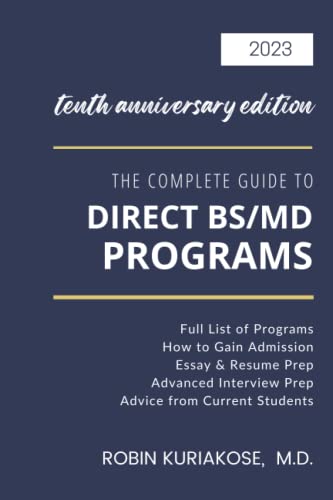 |
Direct BS/MD Programs Guide | Deep programmatic insight | Focus on preparation | High informational density | View on Amazon | Read Review |
| Reliable Career Planner |  |
Ultimate BSMD Programs Guide | Broad educational coverage | Career-focused perspective | Logical information flow | View on Amazon | Read Review |
| Practical Admissions Companion |  |
BS/MD School Admissions Handbook | Very reader-friendly | Direct, honest advice | Clear tactical steps | View on Amazon | Read Review |
| Clear Admissions Primer |  |
BS/MD Programs Entry Guide | Simple, direct explanations | Accessible for beginners | Strong foundation building | View on Amazon | Read Review |
| Focused Tactical Guide |  |
Getting Into BS/MD Programs | High efficiency | Focus on results | Practical application steps | View on Amazon | Read Review |
| Detailed Entry Manual |  |
Combined BS/MD Program Handbook | No marketing fluff | Clear requirements list | Dependable, steady advice | View on Amazon | Read Review |
| Essential Planning Toolkit | 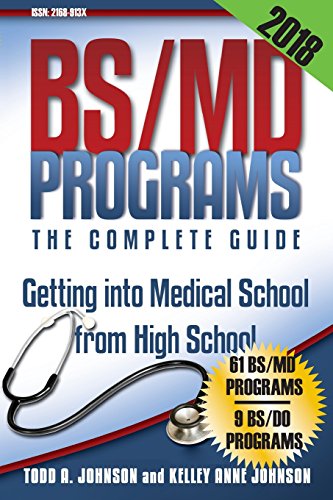 |
Direct Medical Admissions Guide | High-level strategy | Clear academic focus | Strong motivational tone | View on Amazon | Read Review |
| Thorough Academic Guide |  |
BS/MD Program Preparation Manual | Exhaustive content coverage | Academic theory grounding | Professional, academic tone | View on Amazon | Read Review |
More Details on Our Top Picks
-
BS/MD Programs Comprehensive Guide
This guide serves as the gold standard for high-achieving students planning their future. It acts like a sharp compass, pointing you toward the most prestigious medical pathways while demystifying the complex selection process.
You will appreciate the structured layout that organizes competitive requirements into manageable steps. While it covers a wide range of institutional data, it lacks the interactive worksheets found in smaller, more focused workbooks.
- Target Audience:Aspiring medical students
- Subject Focus:BS/MD admissions
- Additional Feature:Detailed program comparative analysis
- Additional Feature:Strategic application timeline
- Additional Feature:Admissions interview preparation
-
High School to Medical School Guide
If you feel overwhelmed by the medical school application timeline, this book provides the clarity you need. It effectively breaks down the transition from secondary education to professional training into a clear, linear path.
The content is written specifically for students who want to secure their spot early. It focuses heavily on the undergraduate years, though some readers might find the advice on extracurricular activities a bit conventional.
- Publication Type:Educational guidebook
- Target Audience:High school seniors
- Subject Focus:Direct medical programs
- Additional Feature:Early decision tactics
- Additional Feature:Coursework planning advice
- Additional Feature:Institutional profile summaries
-
Direct BS/MD Programs Guide
Understanding the nuanced differences between combined programs can save you months of research. This book acts as a filter, removing the noise so you can focus on top-tier medical prospects that match your profile.
You gain a deep understanding of the academic rigors required to stay competitive once accepted. Be aware that the density of information requires a dedicated reader, as it avoids fluff in favor of hard facts.
- Publication Type:Reference text
- Target Audience:Dedicated applicants
- Subject Focus:Combined medical degrees
- Additional Feature:Program eligibility criteria
- Additional Feature:Academic readiness assessment
- Additional Feature:Admissions essay guidance
-
Ultimate BSMD Programs Guide
This resource is best for those who want a holistic view of the combined degree environment. It treats your medical career like a long-distance race, ensuring you have the stamina and the correct strategy to reach the finish line.
It covers critical aspects of health care education that many other guides overlook. The text is straightforward, though it occasionally assumes you already have a strong grasp of general university admissions terminology.
- Publication Type:Comprehensive guide
- Target Audience:Prospective medical students
- Subject Focus:Medical school pathways
- Additional Feature:Health care program overviews
- Additional Feature:Admissions standards breakdown
- Additional Feature:Success-oriented advice
-
BS/MD School Admissions Handbook
Use this handbook if you need a down-to-earth perspective on the competitive landscape of direct medical programs. It functions like a trusted mentor, whispering the secrets of successful applicants directly into your ear.
The layout is easy to read, making it perfect for quick reference sessions during your school year. It focuses primarily on the entry process, so you may need additional resources for later medical school success.
- Target Audience:High school students
- Subject Focus:Admissions process
- Additional Feature:Common pitfall identification
- Additional Feature:Application checklist
- Additional Feature:Interview talking points
-
BS/MD Programs Entry Guide
This book cuts through the confusion of medical school recruitment with precision and efficiency. It is the perfect starting point for students who are just beginning to map out their future in the sciences.
You will find the step-by-step guidance particularly useful when building your candidacy profile. While the advice is solid, those looking for advanced research or niche program data might find it slightly limited in scope.
- Target Audience:High school juniors
- Subject Focus:BS/MD application
- Additional Feature:Application timeline basics
- Additional Feature:Essential program requirements
- Additional Feature:Candidate profile tips
-
Getting Into BS/MD Programs
Focusing on the logistics of application, this guide is a workhorse for students who prioritize results. It functions like a well-oiled machine, moving you through the required steps with minimal friction.
You get a clear view of what admission committees expect from high schoolers. The writing is purely functional, which makes it effective but perhaps less engaging for those who prefer a more narrative style.
- Target Audience:Serious applicants
- Subject Focus:Program entrance
- Additional Feature:Committee expectation analysis
- Additional Feature:Standardized test advice
- Additional Feature:Application phase management
-
Combined BS/MD Program Handbook
If you need a comprehensive breakdown of combined degrees, this guide delivers without unnecessary filler. It acts as a solid anchor in the stormy sea of college applications, keeping you grounded and informed.
The clarity of the admissions requirements is a standout feature for any student. Keep in mind that you will need to supplement this with your own school-specific research to stay fully updated on current deadlines.
- Target Audience:Prospective students
- Subject Focus:Medical training
- Additional Feature:Program eligibility breakdown
- Additional Feature:Application process steps
- Additional Feature:Institutional selection tips
-
Direct Medical Admissions Guide
This guide is tailored for the student who wants to maximize their chances through careful, early preparation. It provides a sharp lens through which you can view your own academic standing and potential program fit.
You will appreciate the structured advice regarding the jump from high school to university medicine. While comprehensive, the text assumes you are already motivated and ready to put in the necessary work.
- Target Audience:Ambitious students
- Subject Focus:Medical school pathways
- Additional Feature:Candidacy assessment tools
- Additional Feature:Long-term planning strategy
- Additional Feature:High school prep guide
-
BS/MD Program Preparation Manual
Preparing for combined medical programs requires a unique set of skills, and this book highlights them all. It acts as a comprehensive textbook for your journey, ensuring no stone is left unturned in your application process.
The content covers both the theories of admissions and the practical realities of university life. While it is quite exhaustive, its length might be intimidating for those who prefer concise, bulleted summaries.
- Publication Type:Instructional manual
- Target Audience:High schoolers
- Subject Focus:Combined medical degrees
- Additional Feature:Program structure analysis
- Additional Feature:Admissions prep deep-dive
- Additional Feature:Future career considerations
Frequently Asked Questions
Can I switch my major once I am in the program?
Most programs require you to stick to a pre-med track or a specific science major to ensure you meet core prerequisites. A few universities allow for liberal arts degrees, provided you complete the necessary science credits. Always confirm the specific policies before accepting an offer.
What happens if I do not meet the GPA requirements?
Falling below the required minimum GPA usually results in immediate dismissal from the direct-entry track. You would then have to apply to medical schools through the standard process alongside everyone else. Maintain your grades carefully, as they act as the safety harness for your seat in the medical program.
Are these programs better than applying to medical school normally?
These programs offer guaranteed admission, which removes the stress of the traditional application cycle. However, they limit your ability to explore different schools or take a gap year to pursue other interests. Decide if you value the security of a locked-in spot more than the freedom to choose your destination later.
Do I have to pay for the medical school portion upfront?
You generally pay tuition annually for the specific phase of the program you are currently attending. Most schools bill the undergraduate portion and the medical school portion separately. Check with the financial aid office to see if your tuition grants cover both segments of the path.
Can I transfer into a BS/MD program after starting college?
Almost all of these programs are freshman-entry only. They are designed as a single, multi-year progression that begins the moment you step onto campus. It is extremely rare to find an opportunity to join one after your first semester has already begun.

James Wilson is a seasoned product review specialist with a strong focus on coffee grinders and home brewing equipment. With years of hands-on experience testing both manual and electric grinders, he brings practical insights and honest recommendations to help readers make informed decisions. James is passionate about the role grind quality plays in achieving the perfect cup of coffee, and he combines technical knowledge with a user-friendly approach. His reviews are known for their clarity, depth, and reliability, making him a trusted voice for coffee enthusiasts looking to upgrade their daily brewing experience.