Many newcomers buy the first high-profile recording they see, only to find the pacing impossible to follow. Choosing the Best Opera Recordings for Beginners requires more than picking a famous name.
You need a map to help you interpret the drama, not just a list of tracks. These guides turn a confusing wall of sound into a coherent musical narrative. Keep reading to find the right entry point for your collection.
Key Takeaways
- Prioritize books that include historical context alongside recommendations to help you understand the composer's intent.
- Look for editions with online audio tracks to ensure you can listen to the music while reading the commentary.
- Choose guides that focus on plot synopses if you struggle to keep track of characters during a performance.
- Verify the target audience level to ensure the technical jargon does not complicate your first listening experience.
- Seek out critical reviews that explain why certain performers are considered benchmarks for their specific roles.
| Essential Narrative Primer |  |
The History of Opera For Beginners | Extremely accessible narrative | Clear historical context | Ideal for novices | View on Amazon | Read Review |
| Historic Audio Archive | 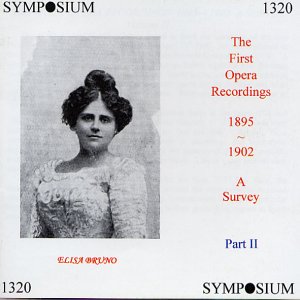 |
First Opera Recordings 1895-1902 Survey | Rare historical recordings | Unique performance insights | Educational survey | View on Amazon | Read Review |
| Witty Literary Companion | 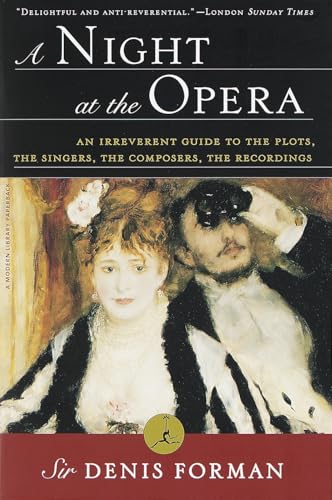 |
A Night at the Opera Guide | Humorous, engaging writing | Comprehensive plot summaries | Accessible composer profiles | View on Amazon | Read Review |
| Discography Reference Tool |  |
Opera Recordings A Critical Guide | Thorough critical analysis | Organized performance comparisons | Practical library building | View on Amazon | Read Review |
| Practical Performance Aid |  |
Renaissance Guitar Pieces with Recordings | Includes online audio | Accessible Renaissance repertoire | Practical fingerstyle focus | View on Amazon | Read Review |
| Foundational Piano Technique |  |
Czerny Practical Method for Beginners | Structured technical progression | Includes online audio | Classic pedagogical approach | View on Amazon | Read Review |
| Melodic Practice Resource |  |
Rubank Book of Flute Solos | Diverse classical selection | Piano accompaniments included | Online audio tracks | View on Amazon | Read Review |
| Systematic Fingerstyle Foundation |  |
Hal Leonard Classical Guitar Method | Clear instructional path | Includes online audio | Comprehensive theory coverage | View on Amazon | Read Review |
| Ensemble Learning Tool |  |
Trapp Family Recorder Method | Encourages ensemble play | Good for basic theory | Simple, clear notation | View on Amazon | Read Review |
| Comprehensive Genre Overview |  |
Opera 101 Learning Guide | Covers history and staging | Very reader-friendly | Encourages deep appreciation | View on Amazon | Read Review |
More Details on Our Top Picks
-
The History of Opera For Beginners
If you want to understand the theatrical evolution of the art form, this book is your starting point. It functions like a map for a traveler entering an unfamiliar city, providing the necessary context to appreciate what you are hearing.
The prose stays accessible, making complex historical shifts feel like a coherent story rather than a dry lecture. You might find the lack of deep audio analysis frustrating if you are strictly looking for specific record recommendations, but it is perfect for building foundational knowledge.
- Primary Subject:Opera history
- Skill Level:Beginner
- Publication Format:Paperback
- Additional Feature:Illustrated historical guide
- Additional Feature:Chronological narrative structure
- Additional Feature:Biographical summaries
-
First Opera Recordings 1895-1902 Survey
This collection serves as a time capsule for the serious listener interested in the infancy of recorded sound. You get a raw look at early performance styles that differ significantly from modern, polished interpretations.
Because these tracks originate from the dawn of recording technology, do not expect high-fidelity audio. The value here lies in the archival significance, offering you a rare glimpse into the voices of a bygone era.
- Primary Subject:Early opera history
- Media Type:Audio recording
- Skill Level:Advanced interest
- Additional Feature:Curated 1895-1902 selection
- Additional Feature:Rare vocal performances
- Additional Feature:Analytical survey notes
-
A Night at the Opera Guide
This guide treats opera with a healthy dose of humor, stripping away the stuffy pretension often associated with the genre. It is written for the reader who wants to learn the plots and composers without feeling like they are back in a classroom.
You will appreciate the irreverent tone, which makes the complicated politics of opera houses feel relatable. The limitation is that it focuses more on cultural commentary than technical music theory, so keep that in mind if you want a deep dive into the score.
- Primary Subject:Opera appreciation
- Skill Level:Beginner
- Publication Format:Paperback
- Additional Feature:Irreverent plot breakdowns
- Additional Feature:Singer and composer bios
- Additional Feature:Recommended recording lists
-
Opera Recordings A Critical Guide
Think of this book as a trusted librarian standing in the aisle of a massive record store. It helps you cut through the confusion of multiple versions of the same work by offering sharp critical opinions on specific performances.
It is an indispensable resource if you are building your personal library. The sheer volume of information can be overwhelming, so use it as a referencing tool rather than reading it cover to cover.
- Primary Subject:Classical music recordings
- Skill Level:Intermediate
- Publication Format:Hardcover/Softcover
- Additional Feature:Detailed performance reviews
- Additional Feature:Comparative discography
- Additional Feature:Expert curation
-
Renaissance Guitar Pieces with Recordings
This songbook is designed for the player who wants to bridge the gap between classical theory and active performance. By focusing on Renaissance lute works, you get a clear introduction to the melodic roots that eventually shaped operatic styles.
You will find the online audio tracks helpful for matching your timing to professional standards. It is not an opera theory book, but rather a technical bridge for musicians who prefer learning by doing.
- Primary Subject:Classical guitar
- Media Type:Sheet music/Audio
- Skill Level:Beginner to intermediate
- Additional Feature:61 lute transcriptions
- Additional Feature:Online performance tracks
- Additional Feature:Beginner-friendly notation
-
Czerny Practical Method for Beginners
Mastering the piano often requires a steady diet of etudes and exercises, and this method is a classic for a reason. It builds the finger dexterity you need to eventually tackle more complex operatic piano transcriptions or accompaniments.
The exercises are structured to develop your technical discipline incrementally. Be aware that this is a strict training book, so you will need to pair it with more melodic repertoire to keep your practice sessions musically balanced.
- Primary Subject:Piano technique
- Media Type:Book with audio
- Skill Level:Beginner
- Publisher Brand:Hal Leonard
- Additional Feature:Etudes and exercises
- Additional Feature:Online practice tracks
- Additional Feature:Progressive lesson plan
-
Rubank Book of Flute Solos
If you are learning the flute, this collection provides a great introduction to the classical themes that define the operatic sound. You get a variety of solos that allow you to practice phrasing and breath control in a manageable way.
The included piano accompaniments give you a feel for how a soloist fits into a larger musical ensemble. It is a fantastic tool for solo development, though it assumes you already have a basic grasp of note reading.
- Primary Subject:Flute solos
- Media Type:Sheet music
- Skill Level:Beginner
- Additional Feature:13 classical solos
- Additional Feature:Practice accompaniment tracks
- Additional Feature:Standardized learning tool
-
Hal Leonard Classical Guitar Method
This is the ultimate starting block for a guitarist who wants to understand the classical tradition. It balances theory with actual songs, allowing you to build your sight-reading skills alongside your physical technique.
The progression is logical and avoids jumping into overly difficult territory too soon. You might find the pace slow if you have prior musical experience, but for a total beginner, it is incredibly reliable.
- Primary Subject:Classical guitar
- Skill Level:Beginner
- Publisher Brand:Hal Leonard
- Additional Feature:Sight-reading exercises
- Additional Feature:Fingerstyle techniques
- Additional Feature:Online audio support
-
Trapp Family Recorder Method
Learning music through the recorder is a charming entry point to the world of classical sounds. This method emphasizes playing with others, using duets and trios to teach you how to listen and blend your sound.
It is a wonderful way to learn the basics of harmony and counterpoint. The book is light on complex theory, focusing instead on practical ensemble skills that you can apply to any other instrument later.
- Primary Subject:Recorder instruction
- Media Type:Instructional book
- Skill Level:Beginner
- Additional Feature:Duets, trios, and quartets
- Additional Feature:Practice embellishments
- Additional Feature:Progressive songbook
-
Opera 101 Learning Guide
This guide acts as a friendly professor who wants you to genuinely fall in love with the art form. It breaks down the history, the music, and the staging into bites you can actually digest.
It covers the "why" and "how" of opera, which is often missing from purely historical texts. It is the most well-rounded choice for someone who wants to walk into a theater and know exactly what to look for on stage.
- Primary Subject:Opera education
- Skill Level:Beginner
- Publication Format:Trade paperback
- Additional Feature:Complete beginner guide
- Additional Feature:Musical context provided
- Additional Feature:Practical theater advice
Frequently Asked Questions
Do I need to understand Italian to enjoy opera?
Not at all. Modern recordings almost always come with translated librettos or synchronized subtitles. You will quickly learn the recurring musical themes that signify love, death, or betrayal.
Should I start with individual arias or full operas?
Start with a highlights album or a "greatest hits" collection. This helps you identify which composers you actually enjoy before committing three hours to a full production. Once you find a specific opera you like, move to the complete recording.
Are modern recordings always better than older ones?
Not necessarily. While modern engineering makes the orchestra sound crisp, older recordings often feature singers with unique phrasing that is rarely heard today. Think of these older tracks as a vintage wine, where the character matters more than the modern label.
Why are some opera sets so expensive?
Physical box sets often include lavish booklets, historical essays, and rare archival photos. You are paying for the physical archive rather than just the digital audio. If you only care about the music, streaming platforms offer the same content for a fraction of the cost.
Which composer is best for a complete beginner?
Giacomo Puccini is the gold standard for newcomers. His melodies are immediately memorable and his stories are grounded in intense human emotion. His work serves as a perfect gateway into the broader world of classical music.

James Wilson is a seasoned product review specialist with a strong focus on coffee grinders and home brewing equipment. With years of hands-on experience testing both manual and electric grinders, he brings practical insights and honest recommendations to help readers make informed decisions. James is passionate about the role grind quality plays in achieving the perfect cup of coffee, and he combines technical knowledge with a user-friendly approach. His reviews are known for their clarity, depth, and reliability, making him a trusted voice for coffee enthusiasts looking to upgrade their daily brewing experience.