
The soil against your foundation feels heavy after a storm, shifting with every gallon of rain. That slow, silent pressure eventually finds a way to move your blocks, turning a flat landscape into a sliding mess.
Choosing the Best Retaining Wall Materials is the anchor for your project. A well-built grid keeps your yard exactly where you intended it to stay. These picks ensure your structure stays straight while the earth keeps moving.
Key Takeaways
- Prioritize fiberglass or HDPE materials to ensure your grid resists corrosion and decay over decades of burial.
- Calculate the wall height correctly, as taller structures require geogrids with higher tensile strength ratings.
- Verify the mesh size matches your aggregate; larger stones may require wider grid openings to lock into place properly.
- Consider bi-directional strength to ensure the fabric provides equal support across both the horizontal and vertical axes.
- Keep a specialized adhesive on hand to bond your top caps and finish the structure with a clean, secure edge.
| Top Structural Foundation |  |
Bi-Directional Geogrid Reinforcement 4ft x 50ft | Even tension distribution | Easy to install | Reliable soil stabilization | View on Amazon | Read Review |
| High Capacity Reinforcement |  |
Universal Fiberglass Geogrid 4ft x 98ft | High tensile strength | Perfect for taller walls | Resists deformation | View on Amazon | Read Review |
| Versatile Landscaping Staple |  |
Bi-Directional Fiberglass Geogrid 4ft x 98ft | Strong fiberglass composition | Multi-purpose utility | Consistent tensile performance | View on Amazon | Read Review |
| Best Gravel Stabilizer |  |
HDPE Geogrid Roll 3ft x 164ft | High density material | Includes safety gloves | Extensive length | View on Amazon | Read Review |
| Road Expansion Specialist |  |
Fiberglass Retaining Wall Grid 4ft x 98ft | Industrial grade strength | Excellent load management | Wide coverage width | View on Amazon | Read Review |
| Precision Bonding Agent | 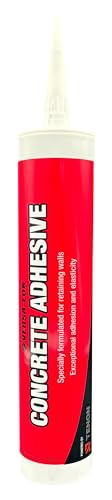 |
Versa-Lok Concrete Adhesive 10.1oz | Strong silicone bond | Weather resistant | Ideal for caps | View on Amazon | Read Review |
| Soil Stabilization Powerhouse |  |
Heavy Duty Black Geogrid 3ft x 164ft | Fine mesh size | Highly durable material | Long continuous coverage | View on Amazon | Read Review |
| Small Project Essential |  |
Compact Bi-Directional Geogrid 3ft x 52ft | Manageable roll size | Easy to maneuver | Solid bi-directional support | View on Amazon | Read Review |
| Mid-Range Structural Support |  |
Fiberglass Geogrid Roll 3ft x 65ft | Strong fiberglass fibers | Versatile mid-range length | Resists high tension | View on Amazon | Read Review |
| Maximum Scale Solution | 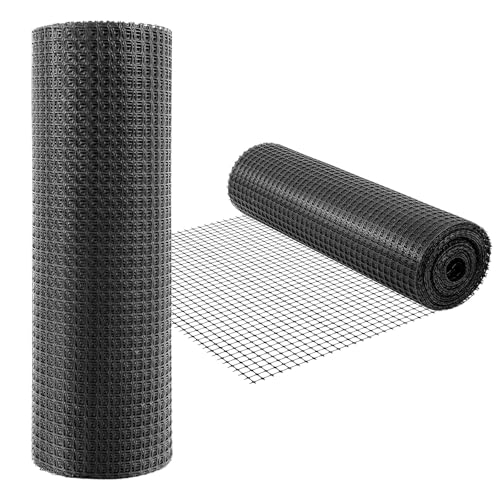 |
Universal Geocell Grid 3ft x 200ft | Maximum coverage length | Multi-axis stability | Versatile grid design | View on Amazon | Read Review |
More Details on Our Top Picks
-
Bi-Directional Geogrid Reinforcement 4ft x 50ft
This geogrid acts as the hidden spine of your retaining wall, providing the lateral stability necessary to prevent soil shifting. It is an ideal choice for DIYers building a medium-sized residential wall who need a reliable, standard-sized roll.
The bi-directional weave ensures that tension is distributed evenly across the structure. Keep in mind that for walls exceeding four feet, you should verify if your local codes require a higher tensile rating than this roll provides.
- Dimensions:4ft x 50ft
- Primary Application:Retaining walls and driveways
- Grid Type:Bi-directional
- Additional Feature:Prevents soil lateral movement
- Additional Feature:Enhances structural integrity
- Additional Feature:Simplifies wall backfilling
-
Universal Fiberglass Geogrid 4ft x 98ft
When your project reaches heights of up to six feet, you need a material that refuses to stretch. This fiberglass geogrid offers a impressive 50kN tensile strength, making it a workhorse for projects that face significant earth pressure.
Because of its length, this roll is well-suited for long wall runs or steep slopes where multiple layers are required. It is somewhat rigid, so ensure you have a sharp utility knife ready for trimming during installation.
- Material Composition:Fiberglass
- Dimensions:4ft x 98ft
- Tensile Strength:50kN
- Primary Application:Soil and slope reinforcement
- Additional Feature:Crack prevention properties
- Additional Feature:Pavement repair ready
- Additional Feature:Suitable for steep embankments
-
Bi-Directional Fiberglass Geogrid 4ft x 98ft
This product mirrors the strength of the top-tier fiberglass grids but targets the versatile landscaper. It handles everything from parking lot reinforcement to residential terraces with equal poise.
The bi-directional design simplifies the layout process, as you do not need to worry about orientation during installation. It serves as an excellent foundation for heavy-duty driveways that see regular vehicle traffic.
- Material Composition:Fiberglass
- Dimensions:4ft x 98ft
- Tensile Strength:50kN
- Primary Application:Terraces and driveways
- Additional Feature:Slope stabilization
- Additional Feature:Parking lot ready
- Additional Feature:Easy to cut and layout
-
HDPE Geogrid Roll 3ft x 164ft
If you are working with loose gravel or subgrade soil, this HDPE grid is your best friend. It excels at locking aggregate in place, acting like a net that keeps your driveway from migrating over time.
You get a generous 164-foot roll, which is excellent for long driveway projects. It arrives with gloves, a thoughtful touch that protects your hands from the abrasive edges of the grid.
- Material Composition:HDPE
- Dimensions:3ft x 164ft
- Primary Application:Gravel driveway stabilization
- Grid Type:Bi-directional
- Additional Feature:Erosion control benefits
- Additional Feature:Subgrade reinforcement
- Additional Feature:Large surface area coverage
-
Fiberglass Retaining Wall Grid 4ft x 98ft
Engineered with a 50kN tensile force, this grid is designed for demanding environments like road expansions. It provides the rigid support required when dealing with heavy loads or unstable terrain.
Its width makes it easy to overlap sections effectively, ensuring there are no weak points in your wall structure. While it is built for professional road work, it fits residential retaining wall needs just as well.
- Material Composition:Fiberglass
- Dimensions:4ft x 98ft
- Tensile Strength:50kN
- Primary Application:Road and slope reinforcement
- Additional Feature:Pavement maintenance compatible
- Additional Feature:High load capacity
- Additional Feature:Durable fiber construction
-
Versa-Lok Concrete Adhesive 10.1oz
A retaining wall is only as good as its weakest joint, and this silicone-based adhesive ensures your blocks stay locked. It is specifically formulated to bond concrete surfaces in outdoor environments, resisting weather-induced degradation.
Use this for securing your wall caps or finishing touches where mortar would be overkill. The beige color blends well with common landscaping block materials, keeping your wall looking clean.
- Material Composition:Silicone
- Primary Application:Concrete block bonding
- Additional Feature:Exterior grade formula
- Additional Feature:Easy application nozzle
- Additional Feature:Blends with masonry
-
Heavy Duty Black Geogrid 3ft x 164ft
This grid features a 2.1cm mesh size, which is optimal for locking in smaller gravel. It acts as a rigid skeleton beneath your driveway, preventing the "washboard" effect that plagues poorly supported paths.
The black finish is low-profile and hides well under base layers. Because it comes in a long 164-foot roll, you can finish extensive stretches of ground without needing to splice multiple segments.
- Dimensions:3ft x 164ft
- Primary Application:Soil stabilization
- Grid Type:Bi-directional
- Additional Feature:Heavy duty construction
- Additional Feature:Gravel retention
- Additional Feature:Driveway reinforcement
-
Compact Bi-Directional Geogrid 3ft x 52ft
Not every project requires a massive, hundred-foot roll of material. This 52-foot option is the perfect length for short garden walls or small backyard landscaping features.
It maintains the necessary bi-directional integrity to keep your soil in place. You will appreciate the reduced waste and lower initial investment when your project is on the smaller side.
- Dimensions:3ft x 52ft
- Primary Application:Retaining walls and driveways
- Grid Type:Bi-directional
- Additional Feature:Reduced material waste
- Additional Feature:Quick installation
- Additional Feature:Backyard-friendly scale
-
Fiberglass Geogrid Roll 3ft x 65ft
This is a high-strength fiberglass option for those who need a middle ground in terms of length. It is strong enough for terraces and slopes but compact enough to handle without a crew.
The 50kN tensile strength ensures that your wall will not bow under the pressure of backfilled soil. It is a reliable choice for homeowners who want professional-grade materials in a manageable format.
- Material Composition:Fiberglass
- Dimensions:3ft x 65ft
- Tensile Strength:50kN
- Primary Application:Slope and terrace reinforcement
- Additional Feature:Parking lot capable
- Additional Feature:Landscaping friendly
- Additional Feature:Stable soil interface
-
Universal Geocell Grid 3ft x 200ft
When you need to cover significant ground, this 200-foot roll is the ultimate choice. It serves as a comprehensive stabilization grid that excels in both steep retaining wall applications and extensive driveway sub-bases.
The bi-directional design ensures stability in both axes, preventing shifting in any direction. Be prepared for the sheer volume of material, as this roll is heavy and best suited for large-scale landscaping endeavors.
- Dimensions:3ft x 200ft
- Primary Application:Driveway and wall stabilization
- Grid Type:Bi-directional
- Additional Feature:Geocell structure
- Additional Feature:Gravel containment
- Additional Feature:Large project efficiency
Frequently Asked Questions
Which material lasts the longest?
Stone and concrete are the clear winners here. They can easily last for decades without showing significant wear. Wood, even when pressure-treated, will eventually succumb to moisture and insects. If you want a permanent solution, avoid organic materials entirely.
Do I need a permit for a retaining wall?
Most local jurisdictions require a permit for walls over three or four feet high. You should always check with your local building department before starting. Safety is the priority for city officials. They want to ensure your wall won't collapse onto a neighbor's property or a public street.
Is it cheaper to use timber or concrete?
Timber is almost always the most affordable option upfront. You pay for that lower price with a shorter lifespan and more frequent repairs. Concrete blocks usually cost more initially. You save money over time because you won't need to replace the wall after ten or fifteen years.
How deep should the base be?
A general rule is to bury at least one-sixth of the total height of the wall. This foundation, often called a leveling pad, keeps the wall from sliding or tilting over time. Use a base of compacted gravel rather than loose soil. This creates a solid platform that won't shift when the ground freezes and thaws.
Can I build a wall on a slope myself?
You can certainly build a small wall on your own if you are comfortable with basic masonry. Focus on creating a perfectly level base, as any error in the first row will be magnified as you go higher. If the slope is steep or the wall is tall, hire an expert. The risk of structural failure is too high to leave to chance on a major incline.

James Wilson is a seasoned product review specialist with a strong focus on coffee grinders and home brewing equipment. With years of hands-on experience testing both manual and electric grinders, he brings practical insights and honest recommendations to help readers make informed decisions. James is passionate about the role grind quality plays in achieving the perfect cup of coffee, and he combines technical knowledge with a user-friendly approach. His reviews are known for their clarity, depth, and reliability, making him a trusted voice for coffee enthusiasts looking to upgrade their daily brewing experience.