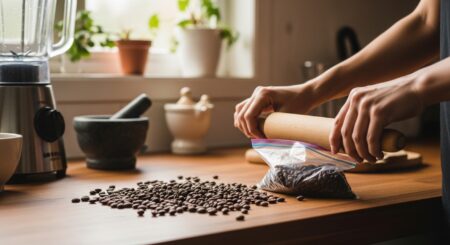

You probably googled how to use coffee grinder because something went slightly wrong, right? Maybe the coffee tasted weirdly bitter, or worse, like… nothing at all. Or you just stood there staring at the grinder thinking, “okay but what now tho.” Yeah, that moment is more common than people admit.
Let’s walk through it properly, but not in that stiff instruction-manual voice. More like someone leaning over your shoulder saying, “nah, don’t do that, try this instead.”
Why Grinding Coffee Actually Matters More Than You Think
So here’s the thing—coffee beans are kinda dramatic. The moment you grind them, they start losing flavor. Not slowly either. Like… immediately.
According to the Specialty Coffee Association, freshness and grind size are two of the biggest factors affecting extraction. Translation: mess those up and your coffee just won’t taste right, no matter how fancy the beans were.
And yeah, people underestimate grind size all the time. It’s not just “grind it and done.” The size literally controls how water interacts with the coffee.
- Too fine → bitter, over-extracted
- Too coarse → weak, sour-ish
- Just right → smooth, balanced, kinda magical honestly
Types of Coffee Grinders (and Why It Changes Everything)
Before you even start grinding, you gotta know what kind of machine you’re dealing with. Because not all grinders behave the same way, and pretending they do is where things go sideways.
1. Blade Grinder
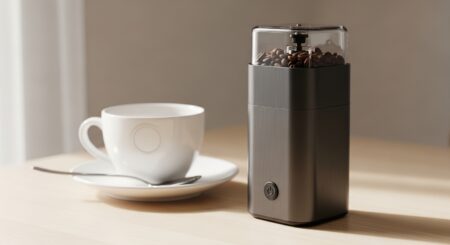
This one’s the chaotic little blender of the coffee world.
- Spins blades randomly
- Produces uneven grind
- Cheap, loud, kinda aggressive honestly
You press the button and hope for the best. It works… but consistency? eh, not really.
2. Burr Grinder
Now this is where things get serious.
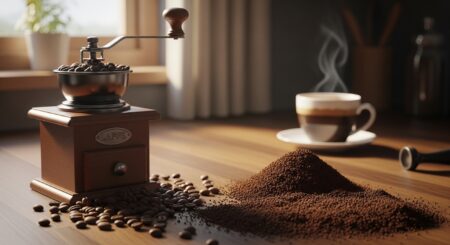
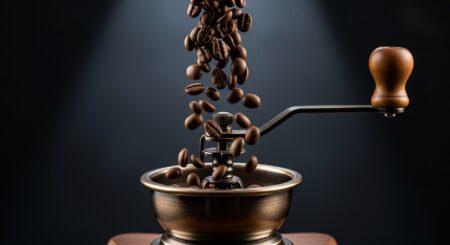
- Uses two burrs to crush beans evenly
- Adjustable grind size
- Way more consistent
There’s flat burr and conical burr, but honestly if you’re just starting, either is fine. What matters is consistency.
“Uniform particle size is critical for even extraction.” — National Coffee Association
That sounds fancy but it just means: same size = better taste.
How to Use Coffee Grinder (Step-by-Step, No Nonsense)
Alright, here’s the actual part you came for. Let’s go slow so nothing gets messed up.
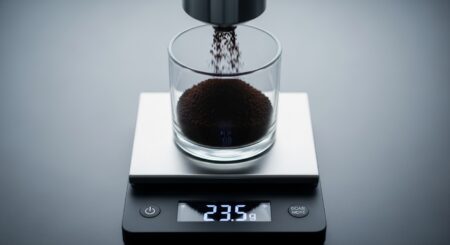
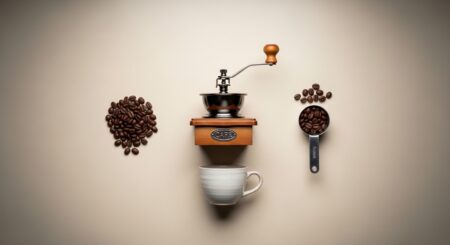
Step 1: Measure Your Beans (don’t eyeball it… or okay, maybe just a bit)
A good starting ratio:
- 1 to 2 tablespoons of coffee per 6 oz water
Or if you wanna be slightly more precise:
| Cups of Coffee | Beans (grams) |
|---|---|
| 1 cup | 10–12g |
| 2 cups | 20–24g |
| 4 cups | 40–48g |
You can eyeball it, but then don’t be surprised when it tastes different every time.
Step 2: Choose the Right Grind Size
This is where most people mess up a little, not gonna lie.
Different brewing methods need different grind sizes:
- Coarse → French press (chunky like sea salt)
- Medium → Drip coffee maker (sand-like)
- Fine → Espresso (powdery, almost flour-ish)
If you get this wrong, the rest doesn’t matter much. Seriously.
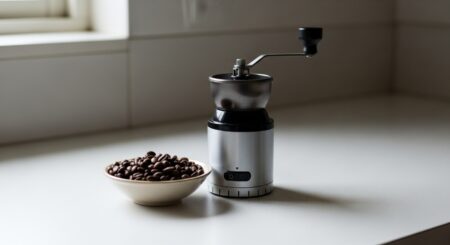
Step 3: Load the Grinder (don’t overfill it)
Pour your beans in, but don’t cram them. Leave a bit of space so they can move around.
With blade grinders, overloading = uneven chaos.
With burr grinders, it’s less dramatic, but still—don’t push it.
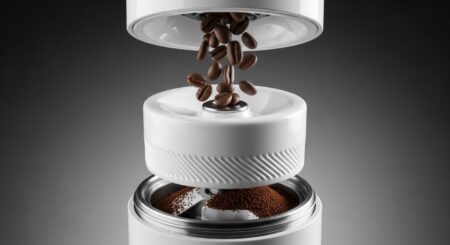
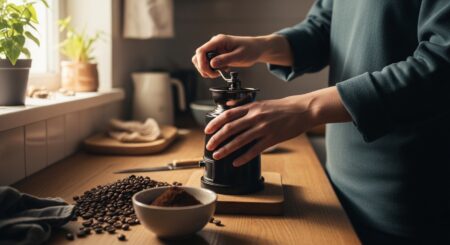
Step 4: Start Grinding (this part feels satisfying tbh)
- Blade grinder: pulse in short bursts (3–5 seconds)
- Burr grinder: just turn it on and let it do its thing
For blade grinders, shake it a little between pulses. Not violently, just… gently persuade it.
You’re trying to get an even-ish texture, not destroy the beans into dust.
Step 5: Check the Grind (don’t just assume it’s fine)
Open it up, look at it.
- Too chunky? grind a bit more
- Too powdery? well… you went too far, happens to the best of us
You kinda learn by messing it up once or twice. That’s normal.
Common Mistakes People Make (and yeah, you probably did one)
Let’s be honest, most people don’t read instructions, they just wing it. And then they wonder why the coffee tastes off.
Mistake #1: Grinding Too Early
Grinding beans and letting them sit? Not great.
Freshly ground coffee starts losing aroma within minutes. Not hours. Minutes.
Mistake #2: Using the Wrong Grind Size
This one is huge.
Espresso grind in a French press? That’s basically asking for bitterness.
Mistake #3: Not Cleaning the Grinder
Old coffee residue builds up and affects flavor.
You might not notice it at first, but over time… yeah it gets weird.
How to Clean Your Coffee Grinder (without overthinking it)
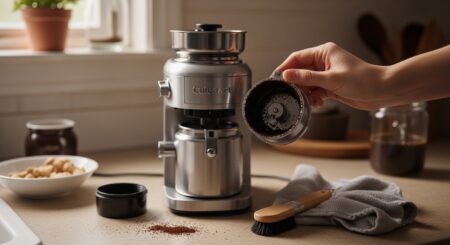
You don’t need to deep-clean it every day, but ignoring it completely is also not ideal.
Quick Clean (weekly-ish)
- Unplug the grinder (pls don’t skip this part)
- Use a brush or dry cloth to remove grounds
- Wipe exterior
Deep Clean (monthly-ish)
- Use grinder cleaning pellets (or even rice in some cases, though opinions differ)
- Run it through like you would beans
- Wipe everything after
It’s not complicated, just slightly annoying so people avoid it.
Blade vs Burr: Which One Should You Actually Use?
Let’s make it simple:
| Feature | Blade Grinder | Burr Grinder |
|---|---|---|
| Price | Cheap | More expensive |
| Consistency | Low | High |
| Control | Limited | Adjustable |
| Flavor Quality | Meh | Much better |
If you’re just casually making coffee, blade is fine-ish.
But if you care even a little about taste, burr grinders are worth it. Not saying you must upgrade, just… you’ll notice the difference.
Real-Life Example: Why Grind Size Changes Everything
Say you use a French press.
You accidentally grind too fine.
What happens?
- Water extracts too quickly
- Coffee becomes bitter
- Sediment ends up in your cup
Now same beans, same water, but correct coarse grind:
- Slower extraction
- Cleaner taste
- Less sludge
Same ingredients, completely different result. Kinda wild when you think about it.
Pro Tips (these are the little things that actually help)
Some of these feel small but they make a noticeable difference.
- Grind only what you need (freshness matters more than convenience)
- Store beans in an airtight container (not the fridge, pls don’t do that)
- Adjust grind size slowly, not drastically
- Listen to your grinder—if it sounds strained, something’s off
Also, don’t obsess too much. Coffee is supposed to be enjoyable, not stressful.
When Your Coffee Still Tastes Off (even after doing everything right-ish)
Sometimes you follow all the steps and it still tastes… meh.
That’s frustrating, yeah.
Here’s what to check:
- Water quality – tap water can mess with flavor
- Bean freshness – old beans = dull coffee
- Grind consistency – especially with blade grinders
- Brewing time – too long or too short can ruin it
It’s usually not one big mistake, but a bunch of small ones stacking up.
Final Thoughts on How to Use Coffee Grinder
Using a coffee grinder isn’t hard, but it’s also not as mindless as people think. There’s a bit of feel to it, a bit of trial-and-error, and yeah, sometimes you’ll mess it up and still drink the coffee anyway because… well, you made it already.
The main thing is this: once you start paying attention to grind size and freshness, you can’t really go back. Store-bought pre-ground coffee starts tasting kinda flat, almost like it forgot what it was supposed to be.
So next time you’re standing there with beans and a grinder, you won’t have that “uhh what now” moment. You’ll just do it. Maybe not perfectly, but good enough that the coffee actually tastes like coffee.
And honestly, that’s already a win.